Thinking about buying an older home in Tularosa? You may be drawn to the adobe walls, historic charm, and one-of-a-kind character that newer homes often cannot match. At the same time, older homes can come with repair needs, material-specific upkeep, and local rules that are easy to miss if you are not prepared. This guide will help you understand what to look for, what to budget for, and how to buy with more confidence. Let’s dive in.
Why older homes stand out in Tularosa
Tularosa’s housing story is closely tied to its long history. The village was formally established in 1863, and the Tularosa Original Townsite District was added to the National Register of Historic Places in 1979, with 182 buildings across the original forty-nine blocks.
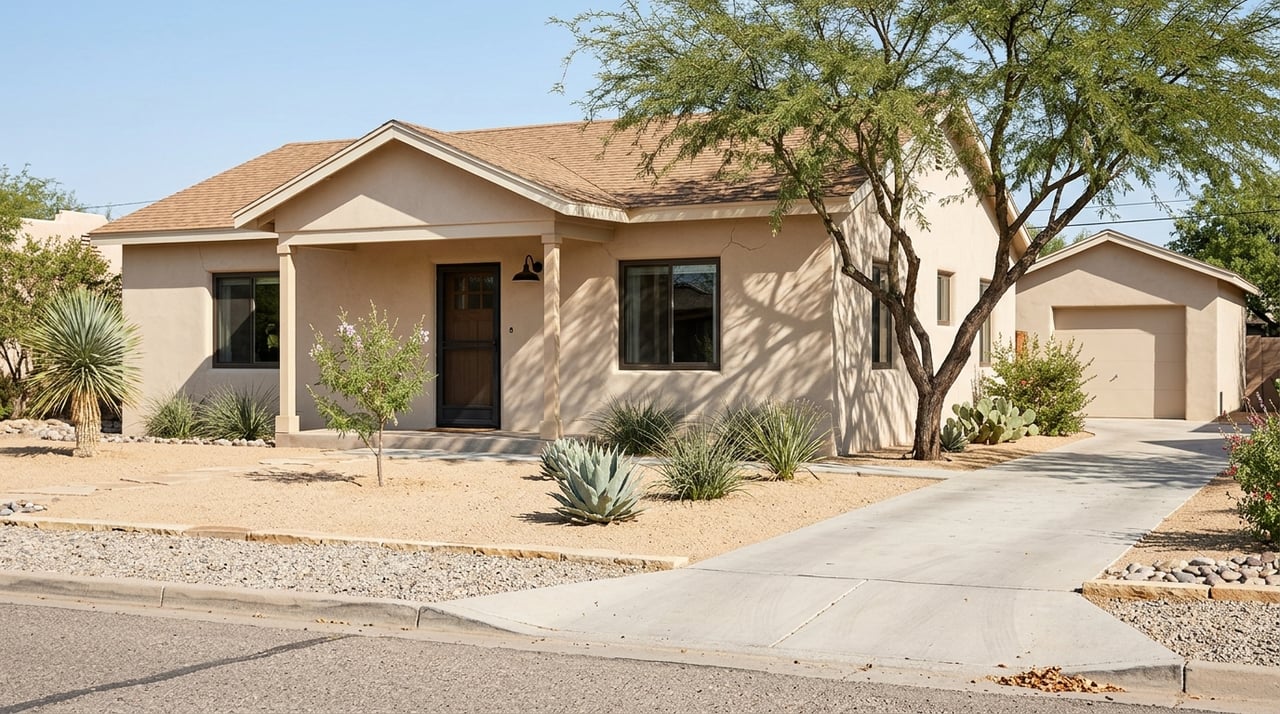
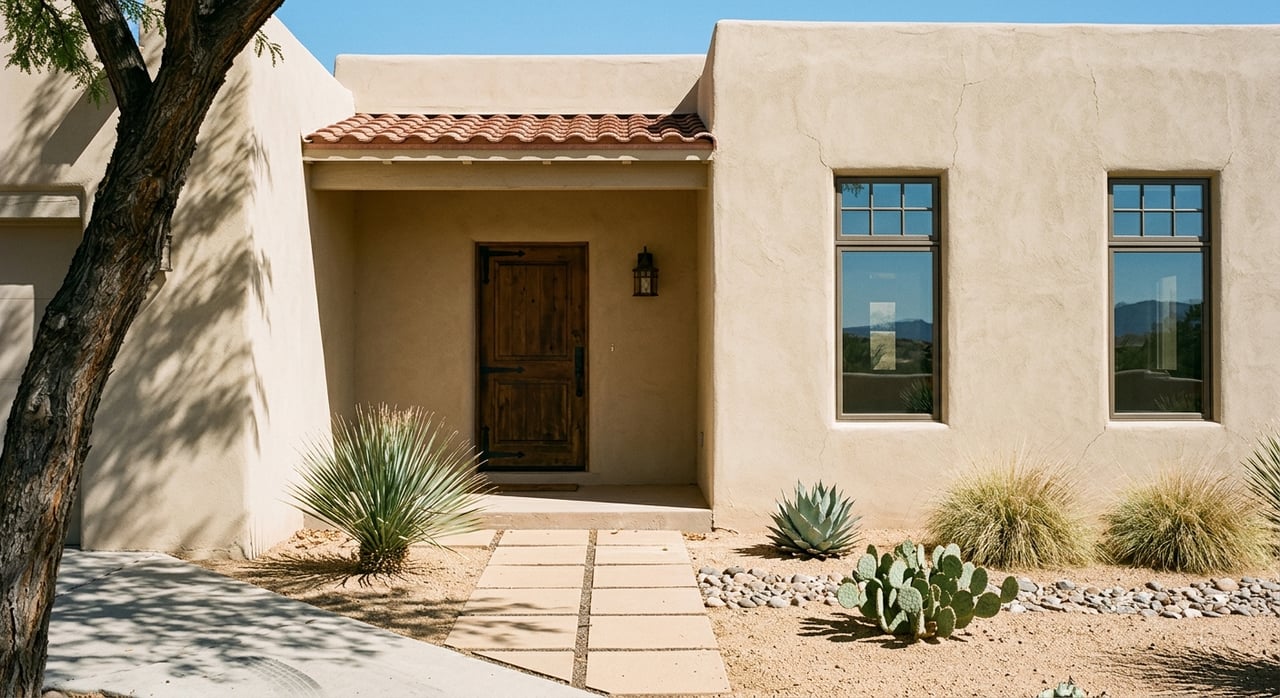
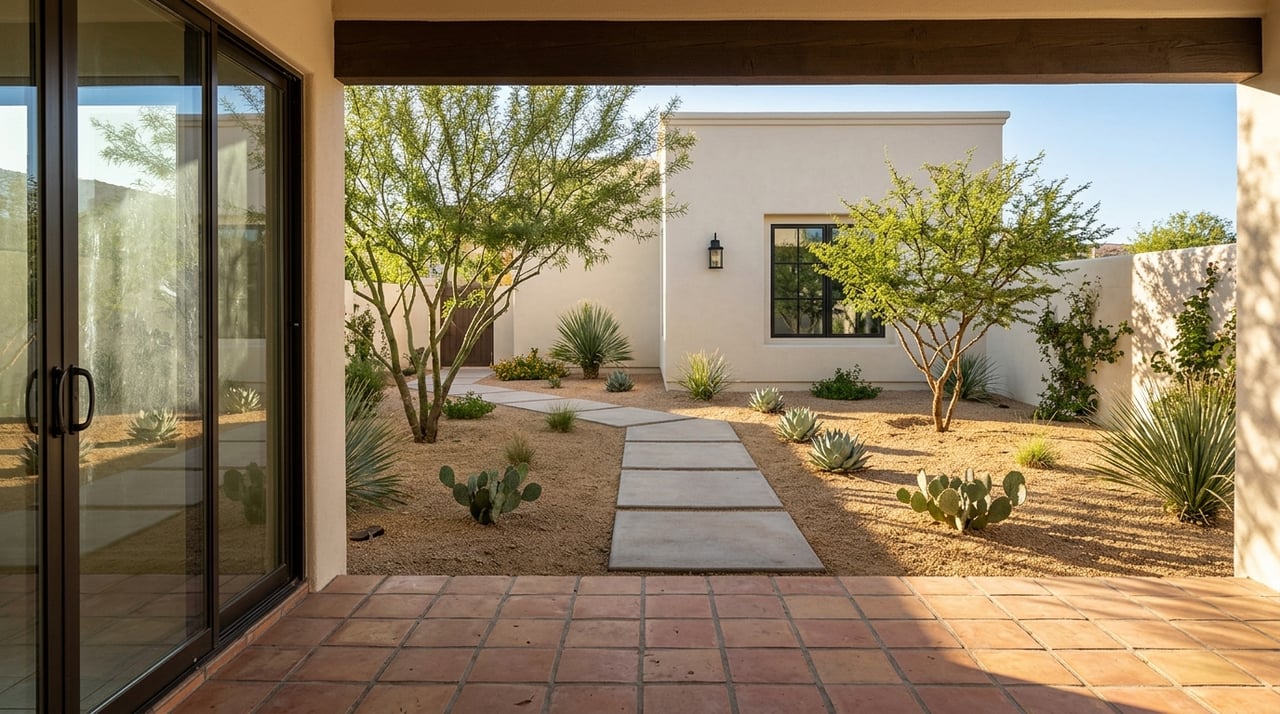
That history still shows up in the homes you see today. According to the village and its planning materials, the historic district includes many adobe homes with thick walls, flat roofs, and interior courtyards, which helps explain why older homes in Tularosa often appeal to buyers looking for character and a strong sense of place. You can see that context in the village’s history overview and comprehensive plan materials.
Know what makes older homes different
Older homes in Tularosa can be beautiful, but they often need a different mindset than a newer build. In many cases, you are not just buying square footage. You are buying original materials, historic design features, and a home that may need more regular monitoring and maintenance over time.
That is especially true for adobe and other earthen construction. The National Park Service says adobe buildings last longer when protected by plaster and maintained regularly, and it notes that moisture can erode adobe over time.
Focus on moisture and exterior condition
Tularosa has hot summers, short cold dry winters, mostly clear skies, and about 11 inches of annual rainfall, with precipitation peaking in August, according to the village’s local history and climate information. Even in a generally dry climate, seasonal moisture can still create issues for older homes.
That is why roof condition, flashing, roof edges, wall finishes, and drainage paths deserve close attention during your inspection period. These are practical priorities based on the local climate and preservation guidance for earthen buildings, especially where moisture can damage older materials.
When you tour a home, pay extra attention to signs like:
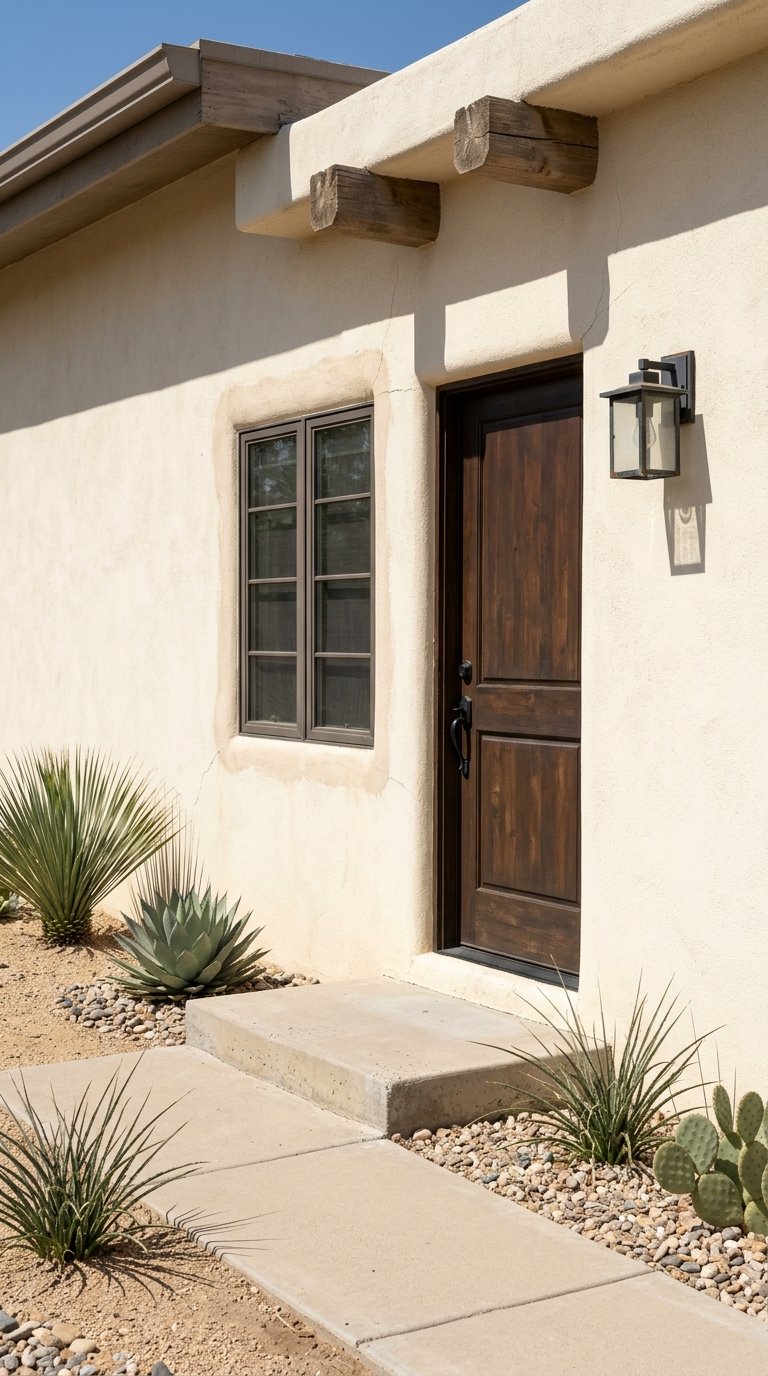
- Cracked or worn exterior plaster
- Soft spots or staining near roof edges
- Water pooling near the foundation or walls
- Interior discoloration that may point to past leaks
- Poor drainage away from the home
Understand adobe maintenance needs
Adobe homes can be durable, but they need the right care. The National Park Service guidance on adobe preservation explains that regular maintenance is a major part of helping these homes last.
That may include periodic plaster work and, in some cases, replacement of wood window or door casings that have deteriorated due to dry rot or termites. If you are considering an adobe home, it is smart to ask whether the seller has records of past plaster repair, roof work, or exterior maintenance.
Check for lead-based paint risks
If the home was built before 1978, lead-based paint should be on your radar. The EPA advises buyers to assume pre-1978 housing contains lead unless it has been tested by a certified professional.
The numbers are worth noting. The EPA says 87% of homes built before 1940 and 24% of homes built from 1960 to 1978 contain some lead-based paint.
This does not mean every older home is unsafe. It does mean you should go in with clear information, especially if you plan to repaint, replace windows, or do any renovation work after closing.
Do not skip radon testing
A home’s age does not tell you whether radon is present. The EPA recommends testing every home for radon, whether it is old or new.
The agency recommends taking action if indoor levels are 4 pCi/L or higher. For buyers in Tularosa, radon testing is a smart part of due diligence because it gives you a clearer picture of indoor air quality before you commit.
Confirm whether the home is in the village or county
One of the most important questions is where the home sits from a jurisdiction standpoint. A property inside the Village of Tularosa may be subject to different local considerations than a property outside the village in unincorporated Otero County.
According to Otero County zoning information, the county itself has no zoning or licensing requirements and directs building permit and inspection questions to the state Construction Industry Division. Within the village, the historic zoning framework covers the Forty Nine Blocks Historic District, so buyers should verify the property’s location and status before planning repairs or remodels.
Review repair records and permit history
Older homes often tell their story through the work that has already been done. Before closing, ask for records related to major repairs, roof updates, plumbing work, plaster work, or other improvements.
This step matters because past repairs can affect future work, costs, and planning. The National Park Service recommends that historic buildings be maintained, monitored, and documented before work is planned, which supports the value of collecting as much repair history as possible during your due diligence.
Pay attention to water and sewer laterals
Some surprise costs are hidden underground. The Village of Tularosa explains that service laterals connect village water and sewer services to a home, and owners are responsible for maintaining certain portions of those laterals on their property from the service connection points.
For an older home, that makes the water and sewer lateral worth checking early. If there are signs of drainage issues, slow lines, or prior plumbing concerns, it may be worth asking more questions before the end of your inspection period.
Budget for updates the right way
Buying an older home in Tularosa is often a tradeoff between charm and maintenance. The historic setting, acequia landscape, and traditional adobe character create much of the appeal, but they can also mean more hands-on ownership over time.
A practical budget should leave room for likely or possible expenses such as:
- Roof and flashing repairs
- Exterior plaster or wall-finish work
- Lead testing for pre-1978 homes
- Radon testing and possible mitigation
- Water or sewer lateral repair
- Specialized contractors familiar with historic or adobe construction
If you plan to renovate a pre-1978 home, keep lead-safe work in mind. The EPA says contractors who renovate or partially demolish these homes must be lead-safe certified and follow lead-safe practices.
Know if this type of home fits you
An older home in Tularosa can be a great fit if you value character and are comfortable with ongoing upkeep. It may also be a strong match if you are willing to work with inspectors and contractors who understand historic or adobe construction.
The best buyers for these homes are usually prepared to learn the property’s materials, monitor condition over time, and preserve original features where practical. The National Park Service’s guidance on earthen architecture preservation reinforces that knowledge and regular attention are key.
Buy with a clear plan
If you are serious about buying an older home in Tularosa, your goal should not be to avoid every imperfection. Your goal is to understand what you are buying, what it may need next, and whether the home fits your budget and lifestyle.
With the right inspections, good records, and realistic planning, an older Tularosa home can offer a living experience that feels connected to the village’s history and style in a way that newer construction often cannot. If you want local guidance as you compare homes in Tularosa and nearby Otero County communities, Patrick Maynez can help you move forward with practical advice and responsive support.
FAQs
What should you inspect first when buying an older home in Tularosa?
- Start with the roof, flashing, exterior wall condition, drainage, and signs of moisture intrusion, especially in adobe or historic homes.
Why does adobe construction matter in older Tularosa homes?
- Adobe homes can be long-lasting, but they need regular maintenance, protective plaster, and careful moisture management.
Do older homes in Tularosa need lead-based paint testing?
- If the home was built before 1978, the EPA recommends assuming lead-based paint may be present unless testing shows otherwise.
Should you test radon in an older Tularosa home?
- Yes. The EPA recommends radon testing in every home, regardless of age.
How do local rules affect repairs on older homes in Tularosa?
- You should first confirm whether the home is inside the Village of Tularosa and possibly within the historic district, or outside the village in unincorporated Otero County, because jurisdiction affects how you plan repairs and improvements.
What extra costs should you budget for when buying an older home in Tularosa?
- A realistic budget may include roof work, plaster repairs, lead testing, radon testing or mitigation, and possible water or sewer lateral repairs.