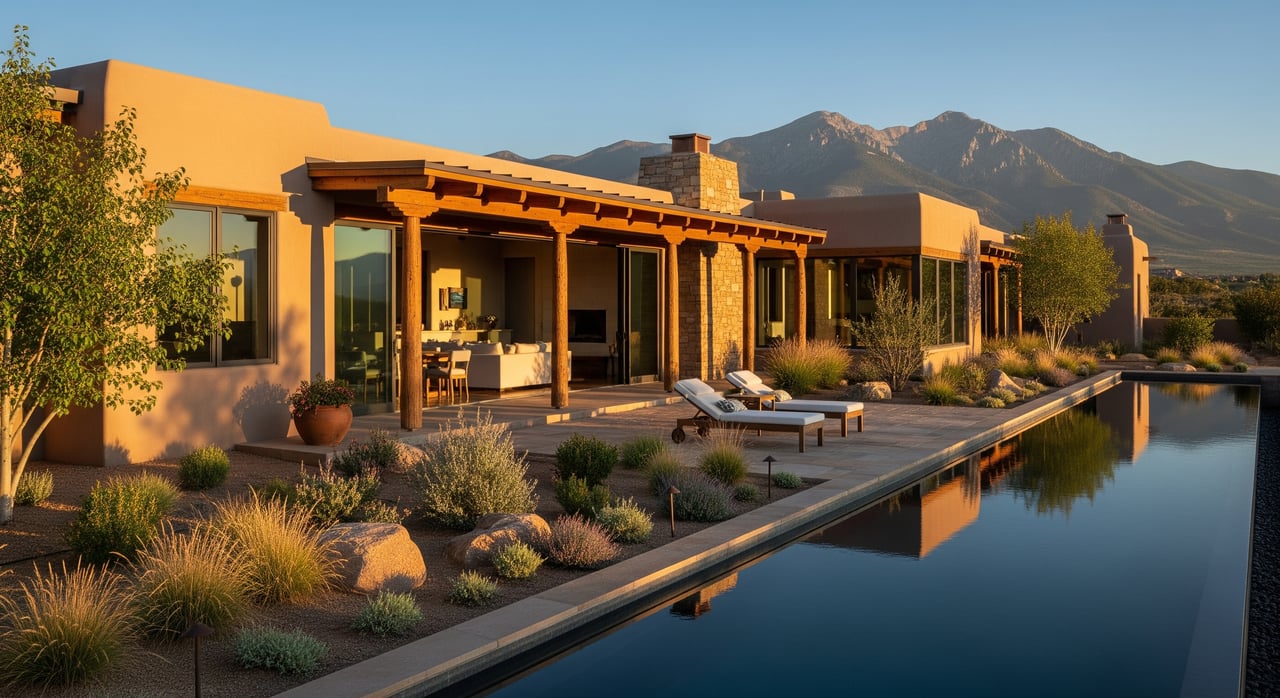
What makes one La Luz home sell quickly and another sit on the market? In a community with larger lots, mountain views, and rural systems, small differences can mean big changes in buyer interest and price. If you are a La Luz homeowner, you want to protect your equity and spend time and money where it matters most. In this guide, you will learn the local factors that drive value, which improvements pay off, and how to time your sale. Let’s dive in.
What shapes demand in La Luz
Location and lifestyle drivers
La Luz sits at the western edge of the Tularosa Basin near the Sacramento Mountains. Many homes enjoy elevated sites and mountain views that are a major draw for buyers. Proximity to Alamogordo, Holloman Air Force Base, and White Sands creates steady interest from commuters, military families, and recreation-minded buyers.
Lower-density living is part of the appeal. Larger lots, room for outbuildings or animals, and privacy attract people who want space without being far from town. Recreational access to the mountains adds to the lifestyle value.
Who is buying
You will see a mix of buyer groups in La Luz:
- Local buyers and commuters who work in Alamogordo.
- Military personnel and families connected to Holloman AFB. Many moves align with PCS timing.
- Retirees and lifestyle buyers who value low-density living and mountain or valley views.
- Investors and second-home buyers who appreciate nearby recreation and proximity to White Sands.
Market forces to watch
Buyer capacity is shaped by local employment, commuting costs, and national mortgage rates. In rural New Mexico, water availability and well health are major considerations. Reliable utilities and clear documentation reduce uncertainty and can support stronger offers.
Seasonality matters too. Spring and early summer often bring more listings and activity. In this area, PCS cycles for Holloman AFB increase buyer flow in late spring and summer.
Property features that move price
Lot size and usable acreage
Acreage is a headline feature in La Luz, but usable acreage drives value more than a raw acreage number. Buyers look closely at how much land is buildable, how it lays, and whether you can easily access it. Lots with reasonable grading, good access, room for vehicles or animals, and clear defensible space tend to command better prices.
When comparable sales are limited, appraisers often adjust by acreage bands and usability. Steep areas, washes, or difficult access receive smaller premiums because they are harder to use.
Views and orientation
Unobstructed views of the Sacramento Mountains or the valley are a top value driver. Buyers pay more when those views are visible from main living areas and outdoor spaces, not only from a corner of the lot. Solar orientation matters as well. Good orientation can help with passive heating and cooling and supports effective placement of solar panels.
Access and roads
Paved or well-maintained county roads usually bring a premium over long private drives or unimproved access. Good access is about more than convenience. It affects safety, ongoing maintenance, and daily drive times, especially during adverse weather. If a private road or HOA handles maintenance, buyers want to know how it works and what it costs.
Utilities and infrastructure
Water and wastewater systems are central to value in La Luz. Many larger parcels use private wells and septic systems. A reliable well yield, recent water-quality tests, and a septic system that is up to code reduce risk for buyers and lenders. Grid power reliability, the condition of long service runs, and the presence of buried lines can also influence perceived value and costs.
Broadband availability matters more each year. Remote workers and families often prioritize internet options alongside bedrooms and baths.
Condition and major systems
Big ticket systems carry big weight. Roof age, HVAC type and condition, insulation, ducting, and foundation or slab condition are key items buyers and inspectors will scrutinize. In the high-UV desert environment, the condition of the roof and exterior finishes is highly visible and can make or break first impressions.
Site and climate risks
Buyers and lenders consider local risks such as flooding in ephemeral wash channels, flash-flood exposure, and wildfire risk. Clear defensible space, proper drainage, and good site planning lower concerns. Wind and sun exposure also matter, since they affect comfort, energy use, and the livability of outdoor spaces.
Improvements with the best ROI
High-impact upgrades
- Reliable water and septic documentation. Buyers often ask about water first. A recent well yield report and septic inspection that shows the system is up to code removes a major contingency and can support a cleaner, faster deal.
- Functional HVAC and insulation for the desert climate. Efficient cooling, tight air sealing, and appropriate insulation make homes more comfortable and lower peak summer costs. Central AC or well-designed ductless mini-splits are attractive when they are properly sized and documented.
- Major deferred maintenance. Address roof, foundation, and structural items before listing. These issues are common deal breakers and can block financing if not resolved.
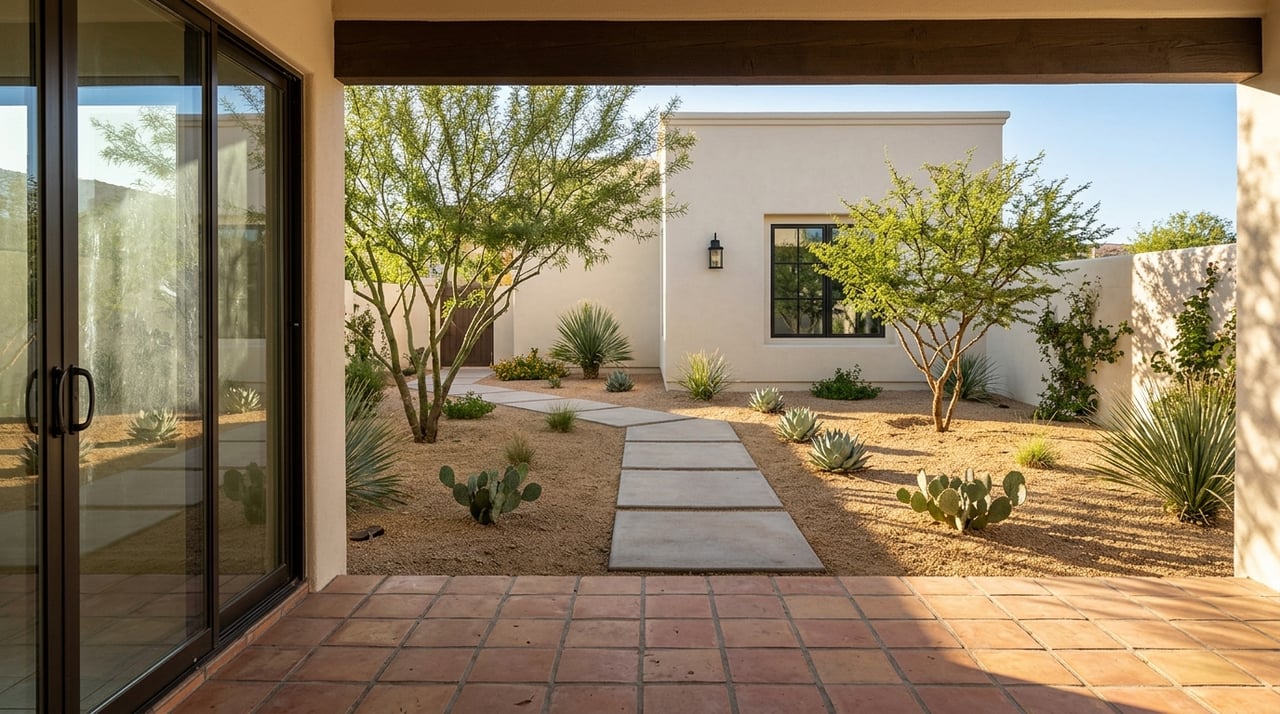
- Outdoor living that showcases views. Simple landscaping, decks or patios, and trimmed sightlines that capture mountain views help you highlight your best asset.
Medium-impact upgrades
- Solar photovoltaic systems with clear ownership. Owned systems can help reduce operating costs and appeal to energy-conscious buyers. If leased, ensure the transfer process is clear and lender friendly.
- Efficiency improvements. Upgraded windows, attic insulation, and programmable thermostats add comfort and savings, though returns are typically lower than core systems work.
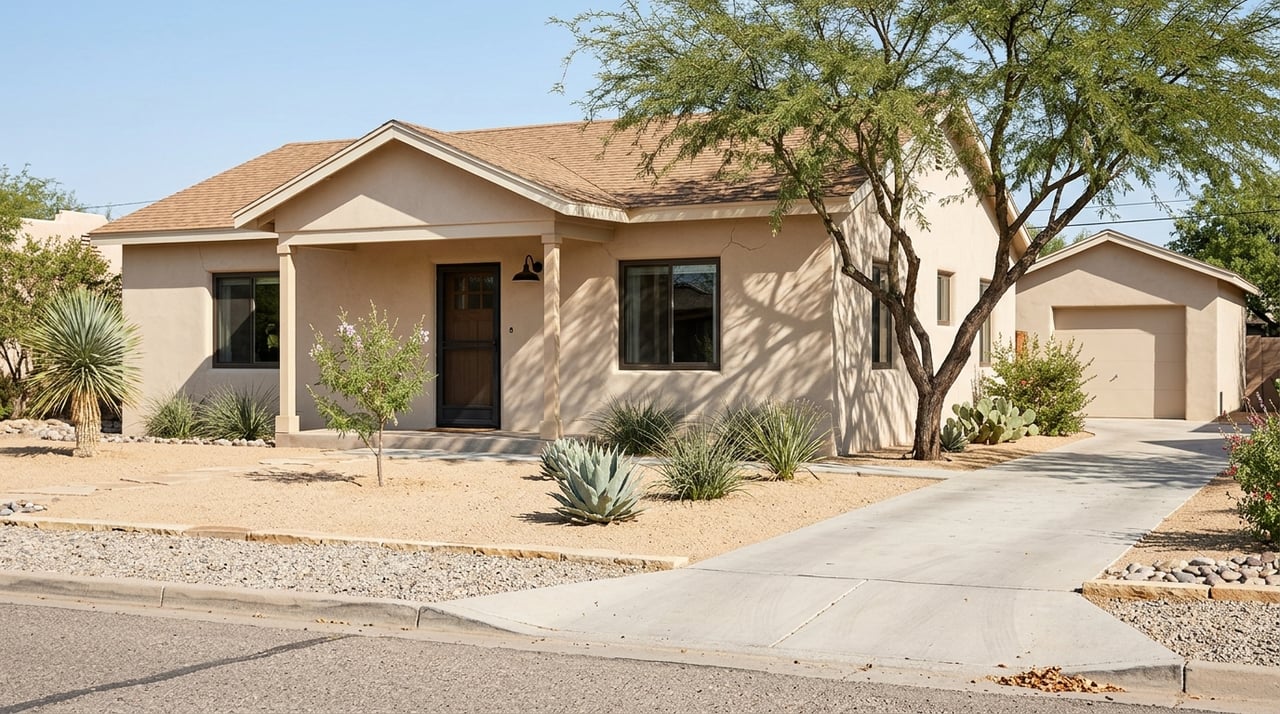
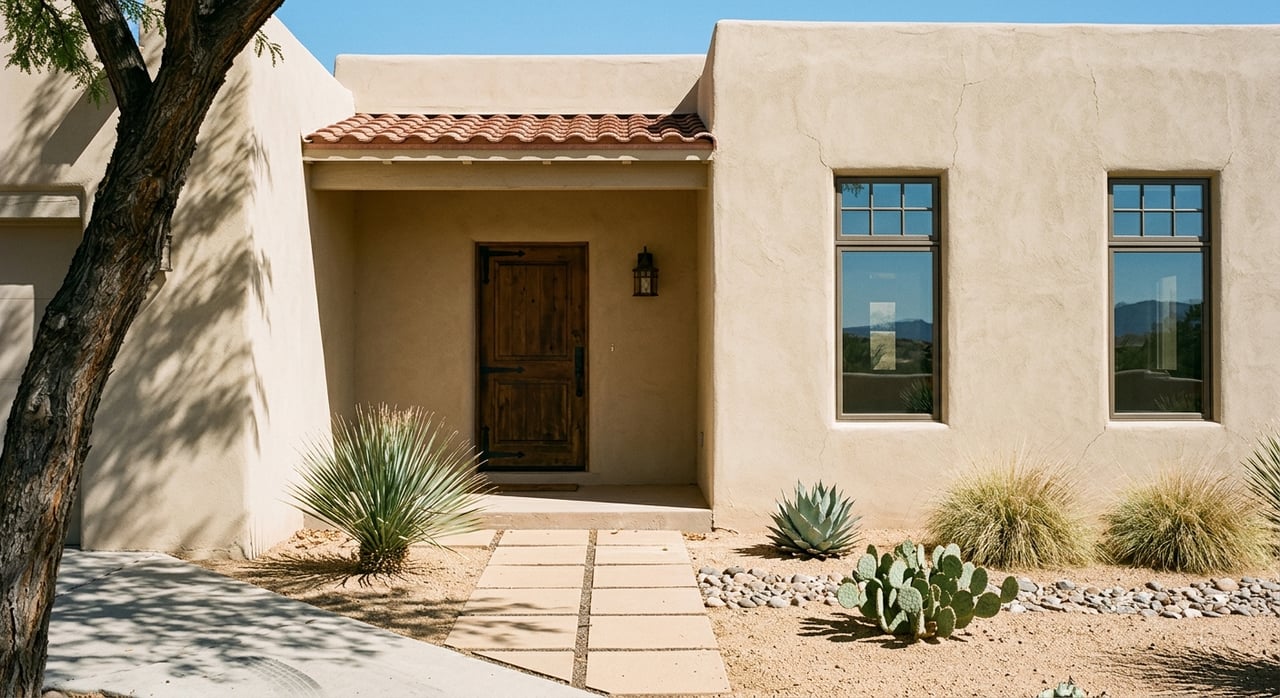
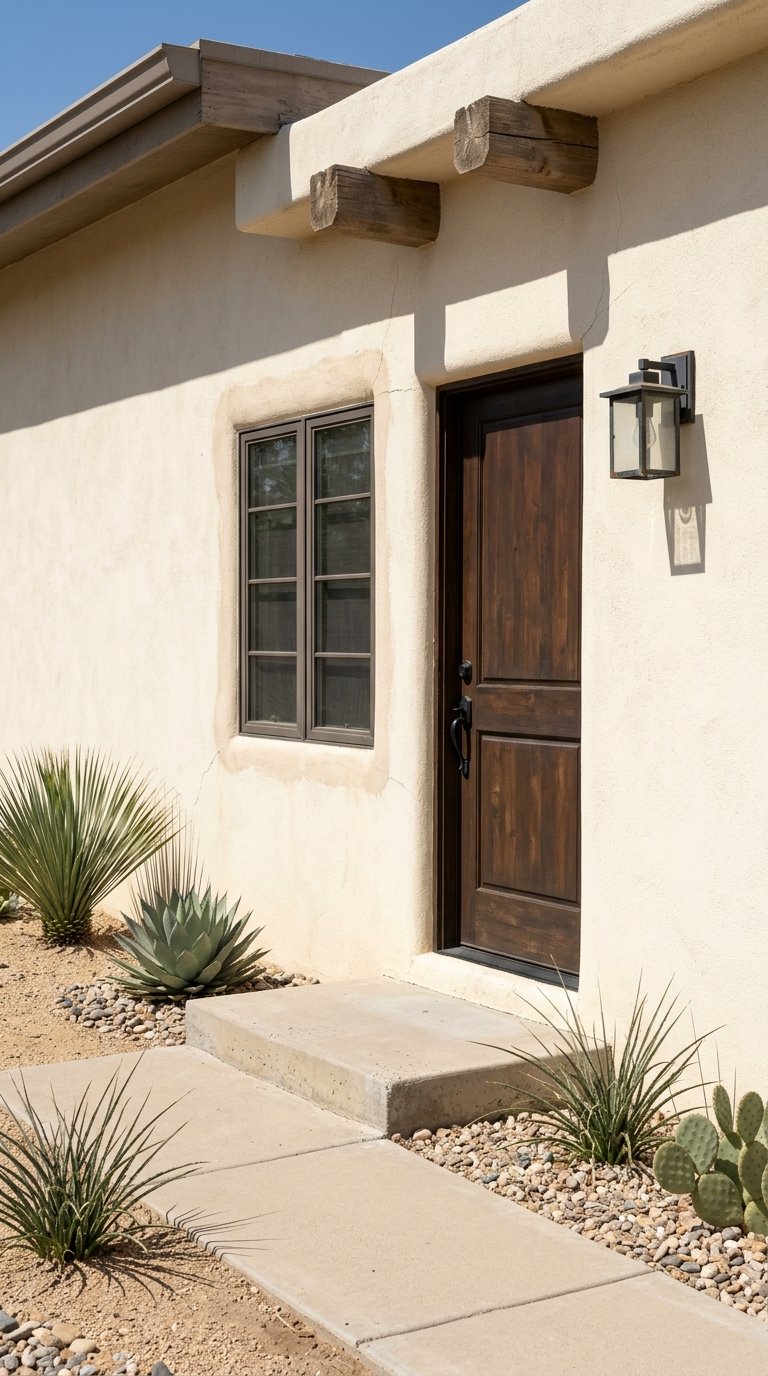
- Xeriscaping and low-water landscaping. Water-wise landscaping reduces maintenance and shows the property fits the local climate.
- Driveway and access improvements. Gravel compaction, drainage culverts, and a solid gate improve first impressions and daily usability.
Lower-impact, buyer-specific upgrades
- Interior cosmetics. Fresh paint, flooring, and simple fixture updates help with staging and speed, but they usually offer lower returns than systems and documentation.
- Barns, workshops, and outbuildings. Valuable to the right buyer but not universally needed, so returns vary.
- High-end kitchen or bath remodels. These can impress, but in a smaller rural market you may not fully recoup costs unless you target likely buyers and price carefully.
Permits and documentation
Keep a clean paper trail. Permits and final inspections for electrical, plumbing, structural changes, and solar matter. Unpermitted work often reduces value and creates hurdles for financing and appraisal.
How value is determined in La Luz
Picking the right comparables
In a rural, low-density market, you will not always find perfect matches. Start with sales in the last 6 to 12 months. If inventory is sparse, you can expand to 12 to 24 months and to a wider radius, often 2 to 5 miles, as long as the properties share key features like elevation, lot size, and view quality.
Match on the variables that move value: usable acreage, view, access type, water and wastewater systems, age and condition, and the presence of solar or major upgrades. Use price per square foot carefully when lot sizes vary a lot. For very large parcels, price per acre or per usable acre can help, but only if the land is actually usable.
Common adjustments
Appraisers and market-savvy buyers typically make adjustments for:
- Lot size and usability. Larger usable acreage increases value more than raw acreage on steep or unusable ground.
- View quality. Unobstructed mountain views earn a premium. Partial or intermittent views earn smaller bumps.
- Utilities. Properties with municipal water or sewer, where available, often price higher than similar homes on well and septic.
- Access. Long private drives or poor road conditions bring discounts.
- Condition and systems. Recent replacements for roof, HVAC, or septic with documentation increase buyer confidence and value.
Seasonal patterns and timing
Local activity often picks up in spring and early summer, and PCS cycles for Holloman AFB can bring more motivated buyers during late spring and summer. Homes with turnkey systems and clear documentation tend to stand out and move faster in these busier periods.
Presenting comps clearly
When you review comparable sales, focus on clarity. Note the sale date, price, bed and bath count, lot size, view quality, utility type, condition, and any special features. Call out outliers like distressed sales or large seller concessions so they do not skew your expectations.
Pre-list checklist and timing
Ready-to-use checklist
- Order a well report and recent water test, and schedule a septic inspection if you do not have current documentation.
- Inspect and service the roof and HVAC. Keep receipts and warranty info in a single folder for buyers.
- Clear vegetation and create defensible space. Document what you did.
- Trim or clear to open view corridors from main living areas and outdoor spaces.
- Gather permits, utility bills, and solar documents in one file for easy sharing.
- Summarize road access and maintenance. If a private road or HOA maintains access, write down the details.
When to list
Plan for spring or early summer to capture more activity. If you want to align with military demand, aim for the late spring and summer PCS window. During hotter months, schedule showings for cooler times and highlight indoor comfort with efficient cooling.
If your home needs major systems work, weigh the cost and time to complete repairs against selling as-is at a lower price. In this market, turnkey systems and clean documentation often justify stronger pricing and fewer renegotiations.
Pricing and marketing tips
Lead with what makes La Luz unique: unobstructed mountain views, private usable acreage, and proximity to Holloman AFB and White Sands. Be transparent about utilities and access. Buyers appreciate listings that explain the well and septic status, internet options, and road maintenance upfront.
Use strong visuals to showcase land and views. Drone photography and wide-angle images help buyers understand the setting. Stage outdoor areas and orient photos to capture the best sightlines.
Final thoughts
In La Luz, value is shaped by what you cannot change and how well you showcase what you can. You cannot move the mountains, but you can trim a view corridor, document your well and septic, and present a home that feels comfortable, efficient, and easy to maintain. Focus first on systems, water and septic documentation, and access. Then elevate outdoor living and views. That combination puts your home in the best position to sell well and sell with confidence.
If you want a data-backed opinion on your home’s value and a practical plan to prepare, connect with local advisor Patrick Maynez for a free consultation.
FAQs
What adds the most value to a La Luz home?
- In this market, usable acreage, unobstructed mountain views, and clear documentation for well, septic, roof, and HVAC drive the biggest price impact.
How important is water and septic documentation for buyers?
- Very important. A recent well yield report and a septic inspection that shows the system is up to code reduce risk, support financing, and can lead to stronger offers.
Do solar panels increase home value in La Luz?
- Owned solar systems can improve appeal by lowering operating costs. If panels are leased, clear transfer terms are essential because leases can complicate financing.
When is the best time to list a home in La Luz?
- Spring and early summer often see more buyer activity, with additional demand during late spring and summer due to Holloman AFB PCS cycles.
How should I choose comps for a rural property?
- Start with sales in the last 6 to 12 months and expand the radius if needed. Match on usable acreage, view quality, access, utilities, age, and condition, and adjust carefully for differences.